
trek
Kedarkantha from Sankri — a beginner's high-altitude trek
Kedarkantha is the 3,800-metre summit thirty kilometres north-east of our farm. The trek from Sankri is well-trodden, takes four days, and is the easiest big peak in the Garhwal Himalaya for a first-timer.
· Sameer Jain · 4 min read
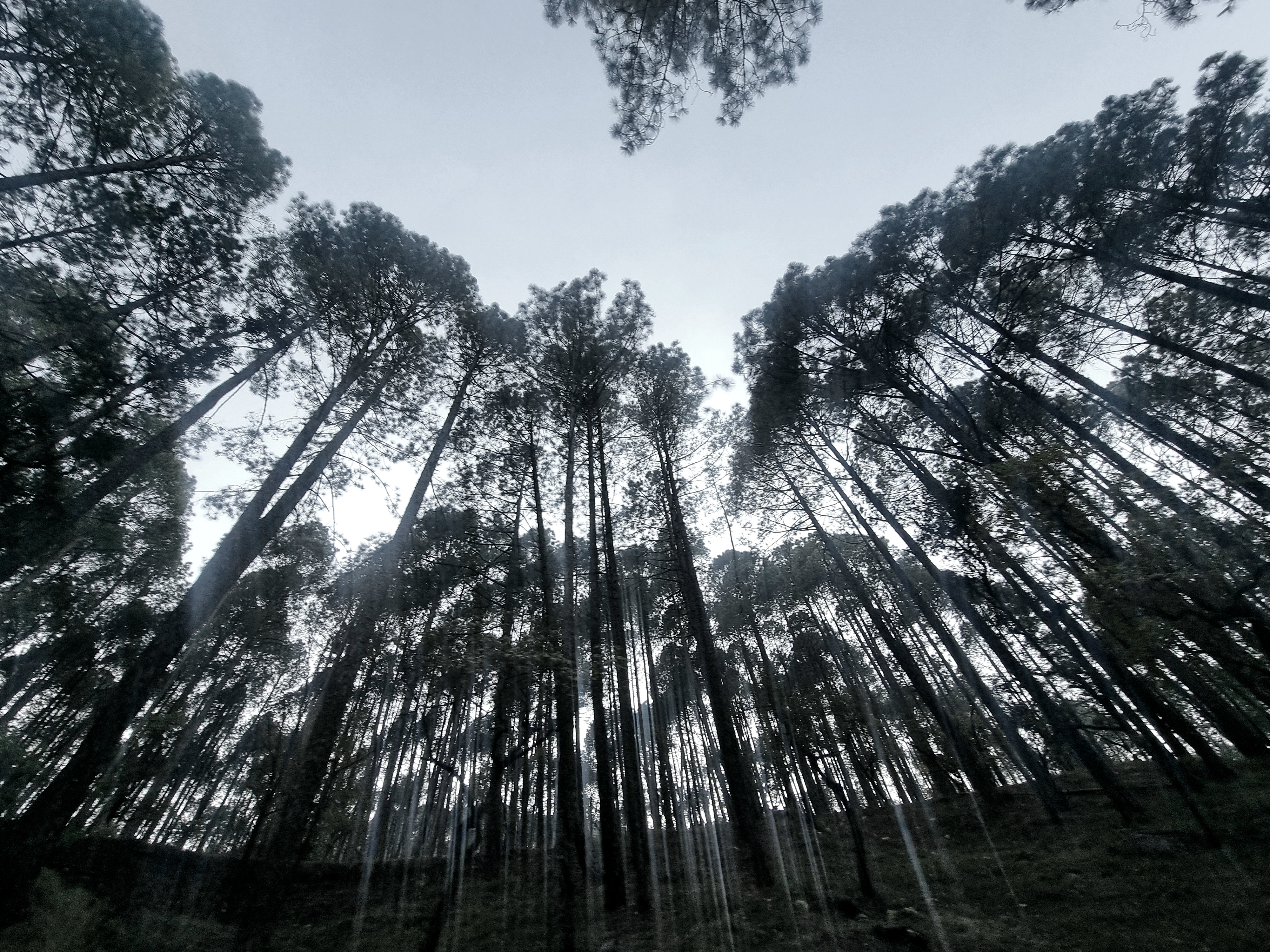
Thirty kilometres to the north-east of the farm, behind the chir-pine ridge that closes our upper boundary, is the summit of Kedarkantha — 3,810 metres, the highest peak you can see from our orchard. Most mornings in winter, before the sun gets high, you can see its snow line clearly from the top terrace.
It is also one of the most well-trodden beginner-friendly high-altitude treks in India. About fifteen thousand people walk up it every year, mostly in December–March when it is under snow. Here is what to know.
What and where
The trek starts from Sankri, a small village at 1,950 m on the Tons river, sixty-two kilometres north of Purola by road. Sankri sits just inside the boundary of Govind Pashu Vihar National Park. There is a forest department barrier at the entry to the village where you register your group and pay the permit fee (₹150 per person for Indians, ₹600 for foreign nationals, as of 2026).
The summit is north-east of Sankri. The total ascent is 1,860 m spread over about eleven kilometres of trail. The walk takes four days return, sleeping three nights — at Juda-ka-Talab (8,800 ft) on night one, Kedarkantha Base (11,250 ft) on night two, and back at Sankri on night three after the summit push.
The trail in honest detail
Day one — Sankri to Juda-ka-Talab (4 km, 700 m ascent, 4 hours). The path starts behind the village, climbs through chestnut and maple, then enters a long stand of Pinus wallichiana (blue pine). There is a small spring at the halfway mark — the only reliable water on the climb. Juda-ka-Talab is a small frozen lake in winter, an icy meadow with one good campsite. Most groups reach by 14:00.
Day two — Juda-ka-Talab to Kedarkantha Base (4 km, 750 m ascent, 4 hours). The climb continues through silver oak and rhododendron. Above 3,200 m the tree cover thins and the trail comes out on to an open meadow with a clear north view to the Bandarpoonch massif and a long west view down the Yamuna valley. The base camp is at 3,400 m and is exposed to wind. Groups usually arrive by 13:00; the afternoon is rest and acclimatisation.
Day three — Summit push and descent (10 km return, 410 m up + the full descent back to Sankri, 8–10 hours). The summit attempt starts at 04:30 in the dark with headtorches. The last 410 m is steep and on snow December through April. Reaching the top takes about three hours; you are usually back at Base by 09:00, pack up, and start the long descent back to Sankri the same day. Most groups reach Sankri by 17:00, dog-tired.
That is the standard four-day schedule. Some groups split day three and sleep at Juda again. We think that is unnecessary unless someone in the group is genuinely struggling with altitude.
When to go
December through early April. Heaviest snow is January–February. Snow shoes are not needed; basic trekking boots with crampons (rented in Sankri for ₹200/day) are enough. The summit push is sometimes called off in heavy snowfall.
May–June is possible but the snow is gone, the meadows are just emerging from the melt, and the trek loses some of its character. July–August is wet, leech-heavy, and we do not recommend it. September–November is dry and pleasant but attracts more day-trippers; the views are clear but the high meadows are brown.
Cost and logistics
If you book through one of the established trek operators (Indiahikes, Trek The Himalayas, Bikat Adventures) the cost is about ₹9,000–11,000 per person all-in from Sankri, including food, tents, sleeping bags, guide, and forest permits. This is the easy option for a first-time trekker.
If you do it independently with a local guide hired in Sankri, the total cost is about ₹5,500 per person including the guide split four ways. You need your own tent, sleeping bag rated to -10 °C, and food. The local guides know the trail in their sleep and are more than competent for this peak.
The road from Purola to Sankri is shared-jeep country. There are five or six jeeps a day in season; we have never had to wait more than ninety minutes.
A note from the farm
When the wind is in the north on a clear afternoon — most of December and January — you can hear the small snow-flutters off the Kedarkantha summit from the top terrace at Chaptari. We are forty kilometres south as the crow flies. It is the only sound that ever comes that distance to us.
If you stay at the farm and want to do this trek, we can help with the jeep, the guide, and the gear lists. Three days will do it comfortably.