Fruiting Acres · The Journal
Field journal
Short notes from the hillside in Chaptari — photographs we return to, organic-farming pieces from the work itself, and the quiet observations that build a record over the years.
organic farming
Why we don't use a single chemical
An organic farm in the upper Yamuna valley explains, in detail, why it never sprays a chemical pesticide, herbicide or synthetic fertiliser — what it does instead, and what it costs.
4 min read
organic farming
How we read the satellites every morning
We sit 480 km below a constellation of Earth-observation satellites that look at the hillside every few days. Here is what we ask them, how we make sense of the answer, and where the limits are.
6 min read
organic farming
Five myths about organic farming, and what's actually true
Organic farming is widely misunderstood — even by people who eat organic. A working farmer in the Garhwal Himalaya goes through five common myths and what the practice actually looks like.
4 min read
organic farming
What 'organic' actually means here
Organic is a word with many definitions — legal, marketing, philosophical. Here is what it means on one hillside in the Garhwal Himalaya, in practice.
4 min read
organic farming
Jeevamrit: the recipe that feeds our trees
Jeevamrit is the traditional Indian soil drench at the heart of natural farming. We make it on site, three times a year, from five ingredients. Here is the recipe and the reasoning.
5 min read
field note
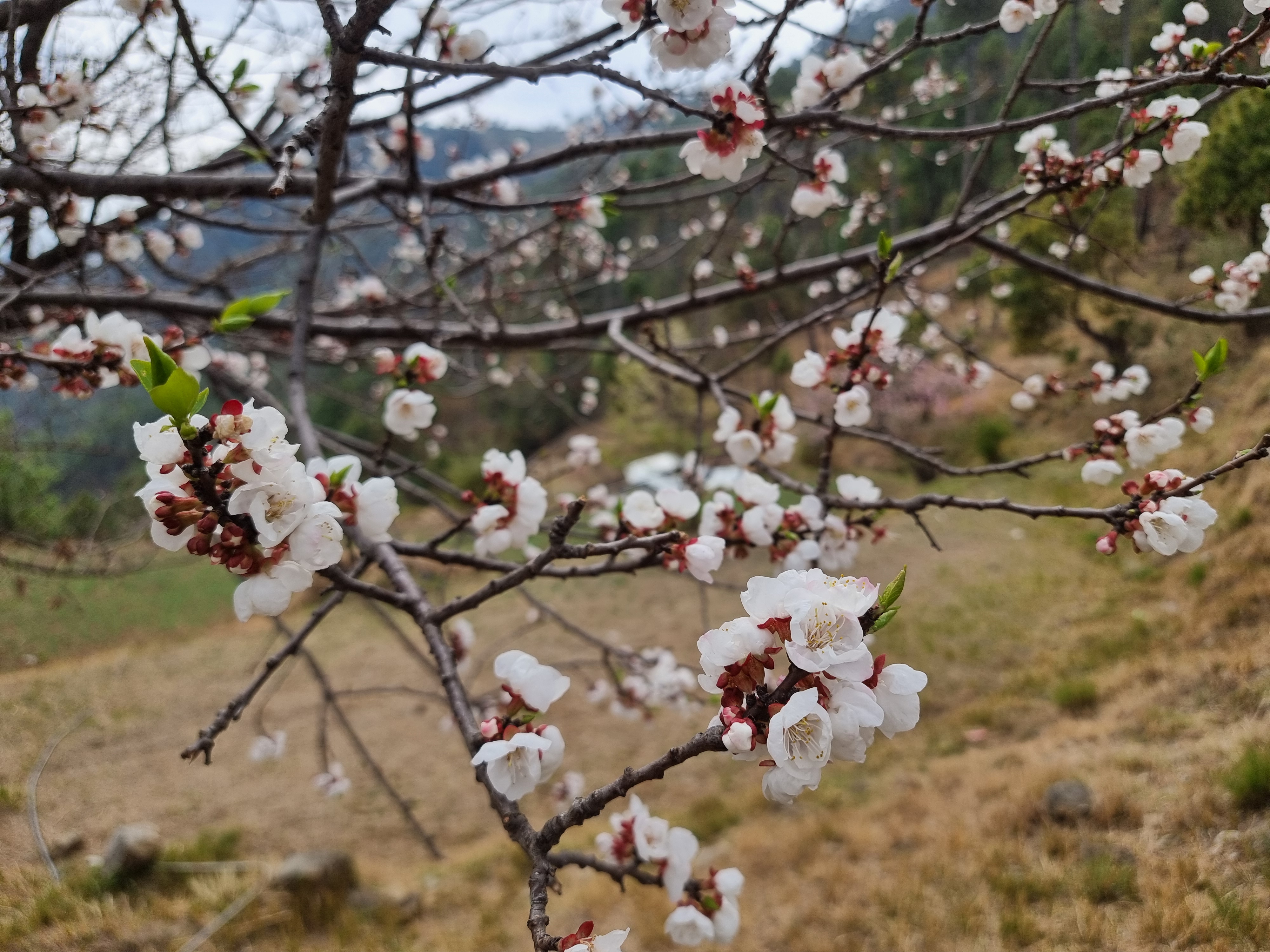
The first apricot bloom
Year four. The stone-fruit trees we planted in 2023 came into full bloom this spring. They will not fruit yet, but the bloom told us the trees had taken.
1 min read
field note
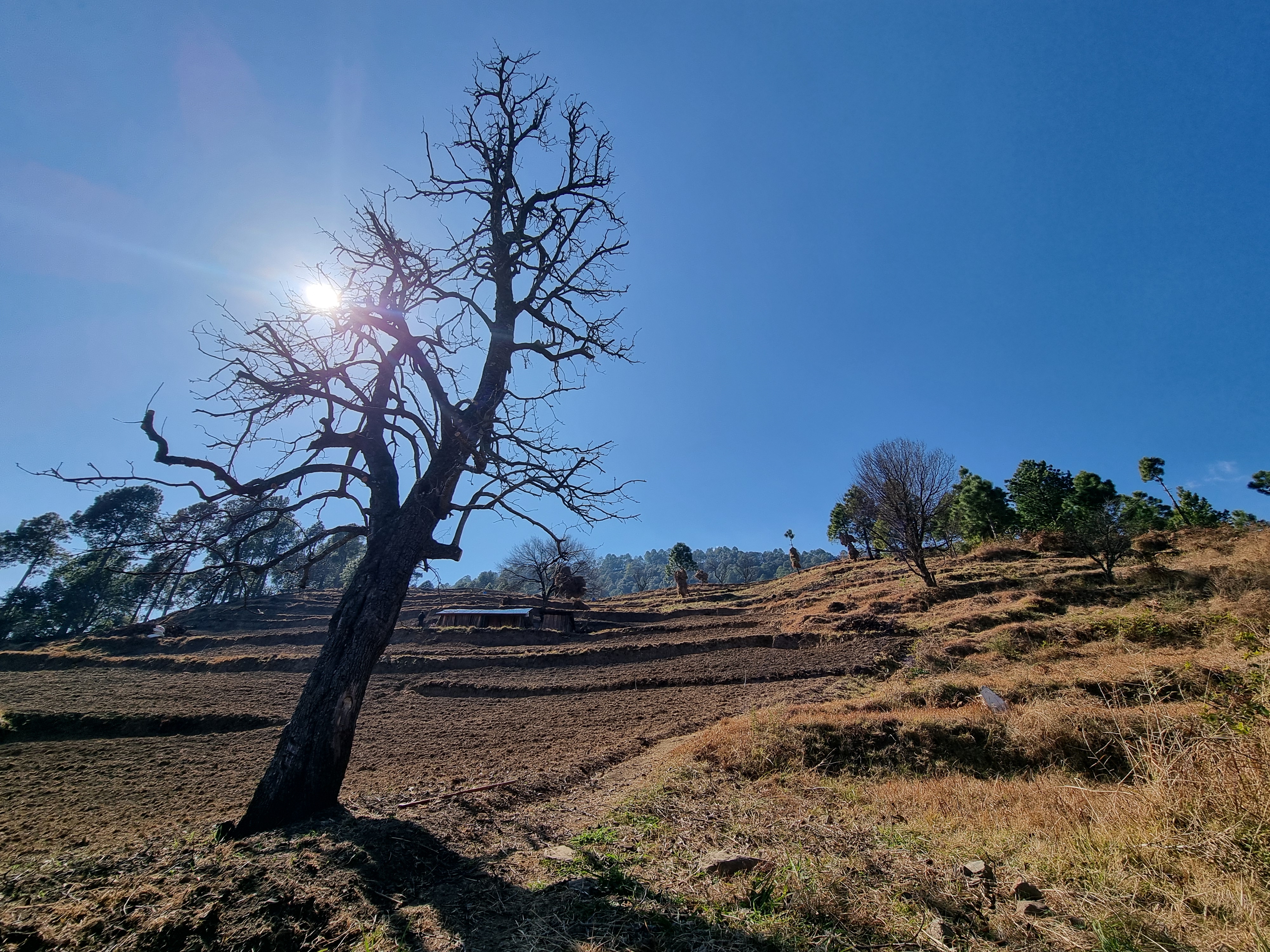
A bare-tree winter
Mid-winter, year two. The deciduous trees are dormant; the terraces hold their shape; the sun is low and clean.
1 min read
field note
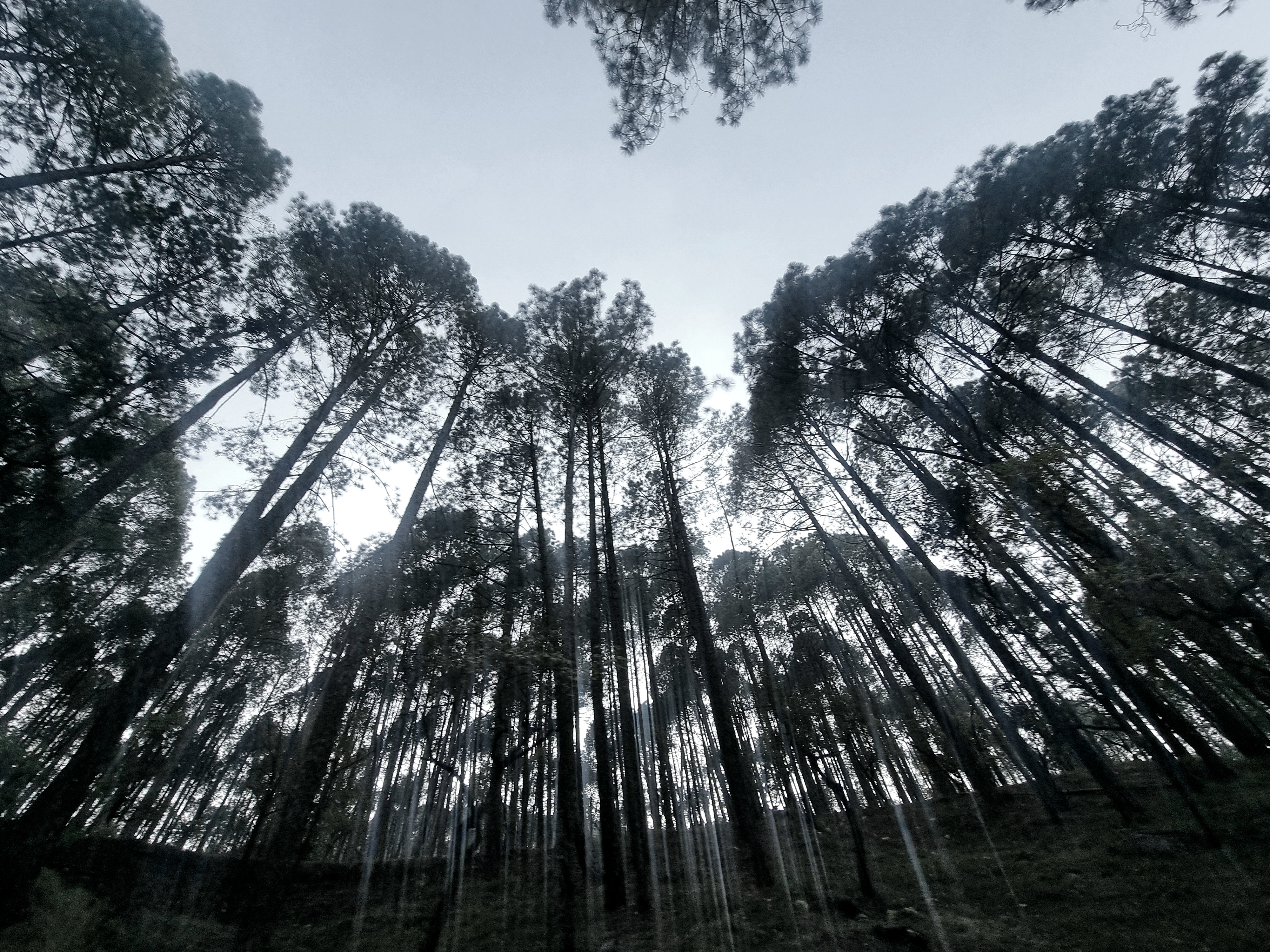
Chir pine at noon, mid-December
Year two on the hillside. The pines along the upper boundary in mid-December — bare understorey, cold sky, the kind of light that holds for one hour at noon.
1 min read
field note
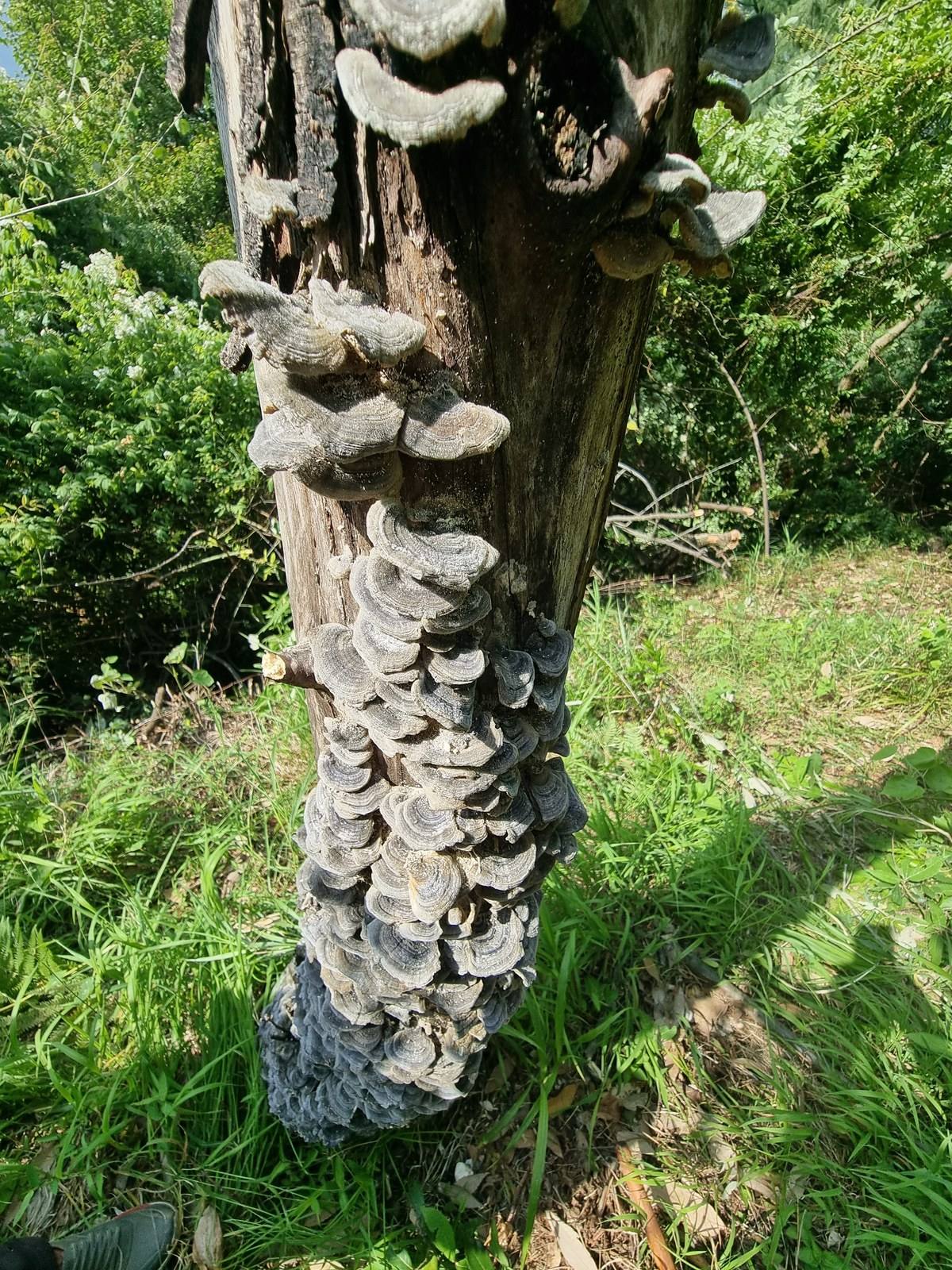
The fallen log
A fallen log covered from end to end in bracket fungi — turkey tail, most likely — found in the forest above the terraces in late May 2023.
1 min read
field note
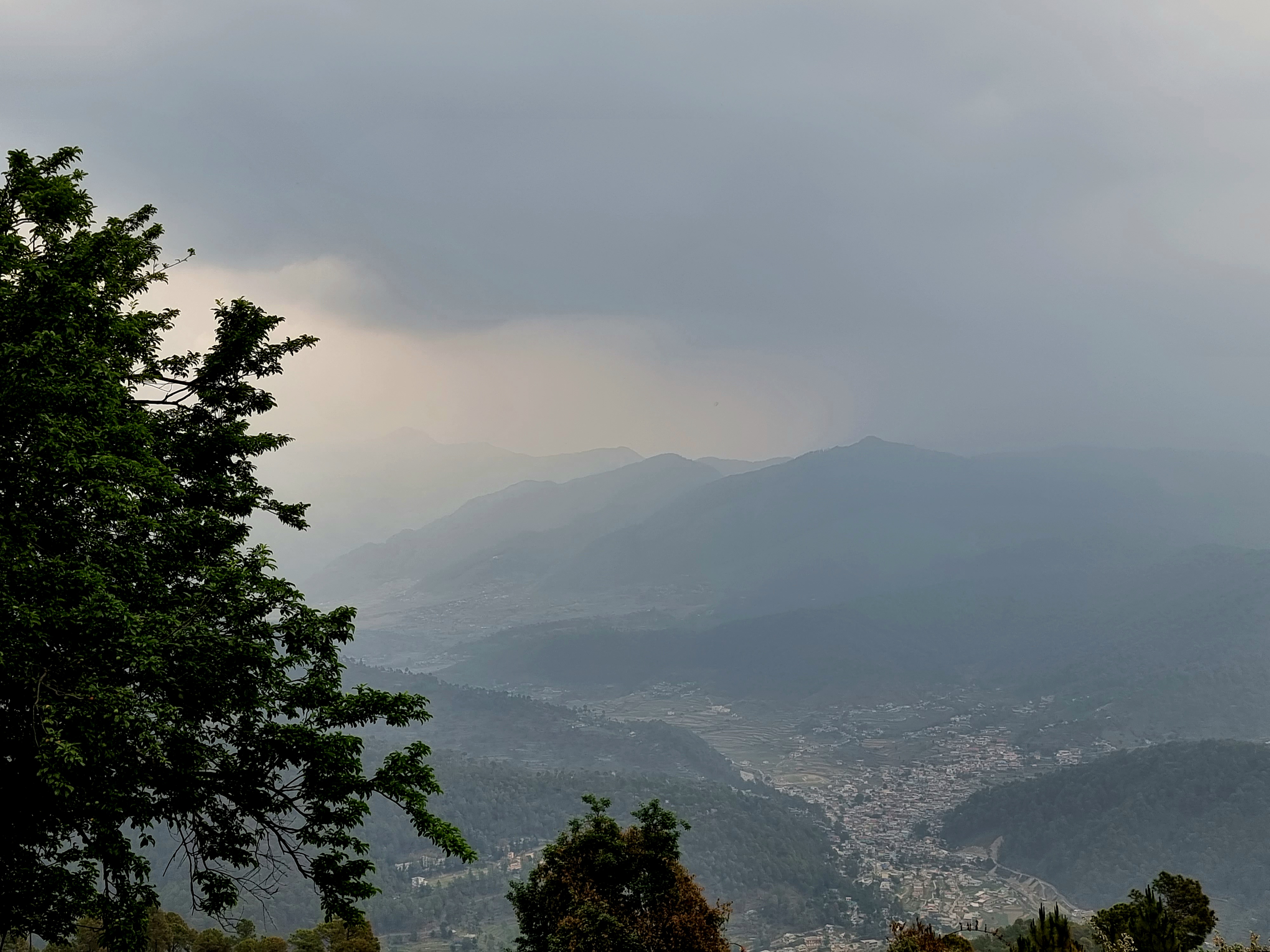
Pre-monsoon mist over Purola
Looking south from the upper terrace at Chaptari, three weeks before the monsoon broke. The town of Purola sits in the cup of the valley below; Kedarkantha lies just out of view to the north.
1 min read
from the village
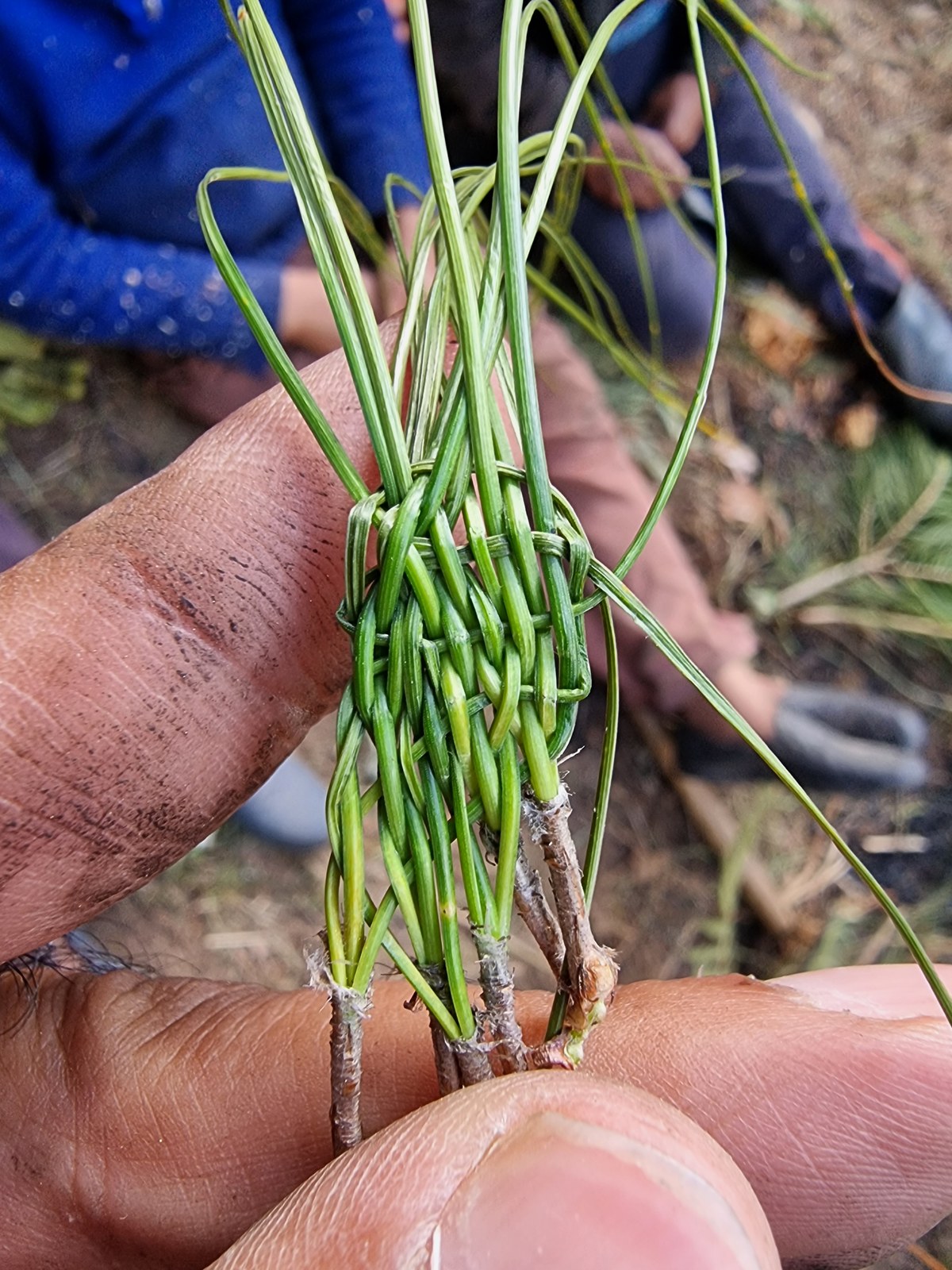
A local binding technique
A traditional method for binding and weaving green shoots, shown to us by a local farmer in May 2023. The kind of knowledge that does not appear in any manual.
1 min read
field note
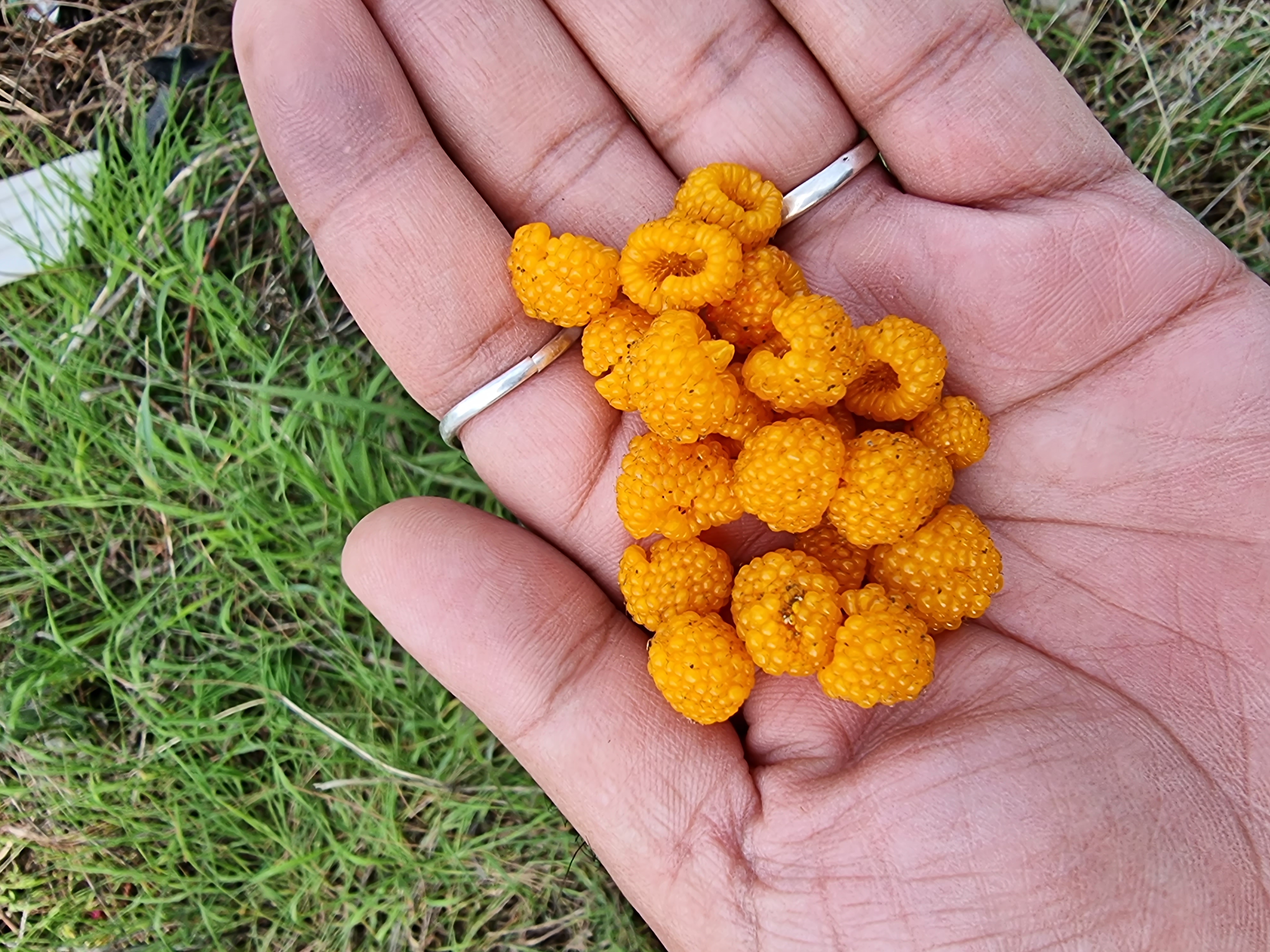
Hisalu — the wild Himalayan raspberry
A handful of golden Himalayan raspberries picked off a bush along the upper path. The whole hillside is fruiting before we even begin.
1 min read
field note
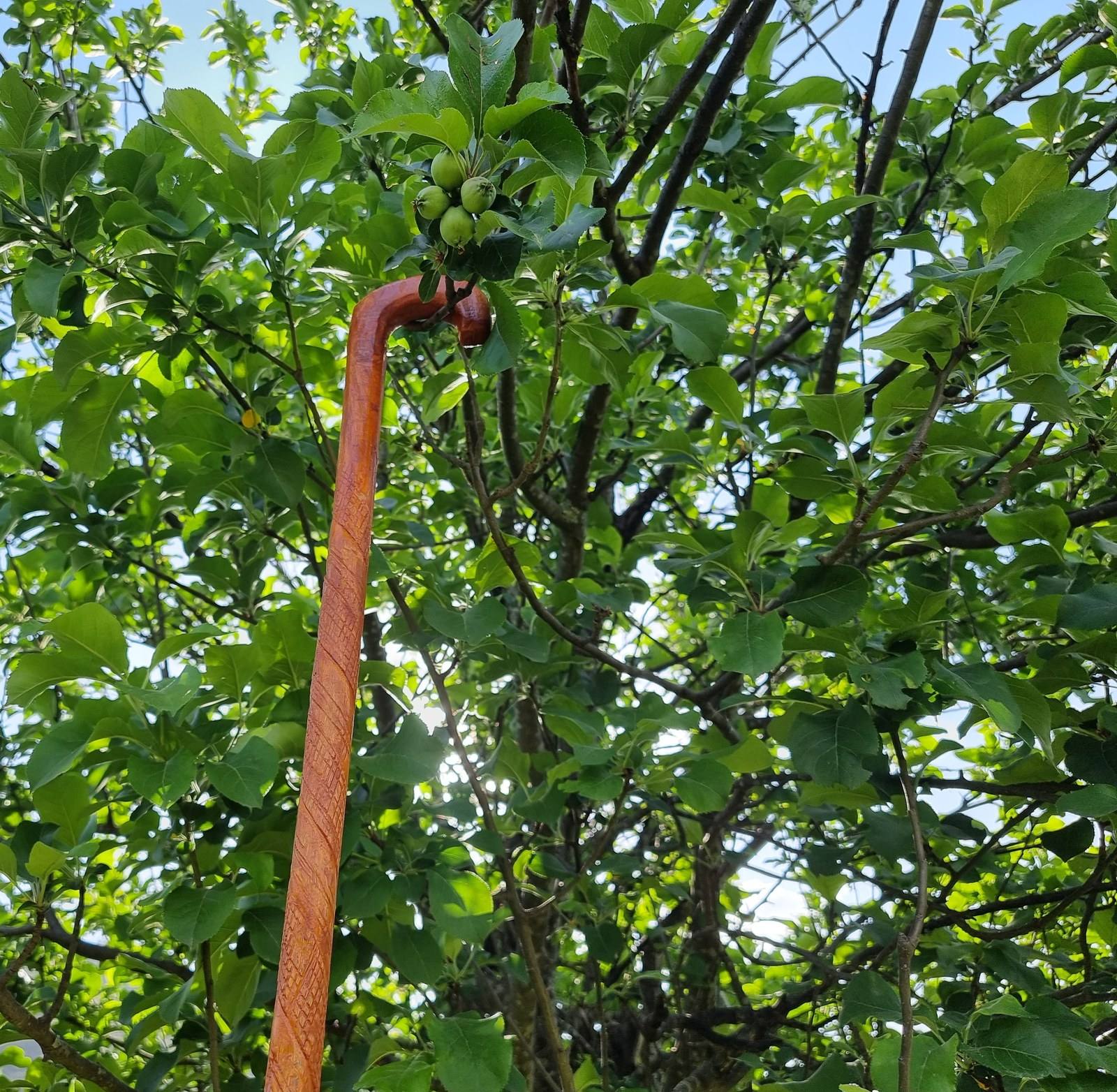
First fruit, May 2023
The apple trees set fruit for the first time in May 2023. Small green clusters, no larger than marbles. The wooden staff belonged to the local farmer who showed us around that day.
1 min read
field note
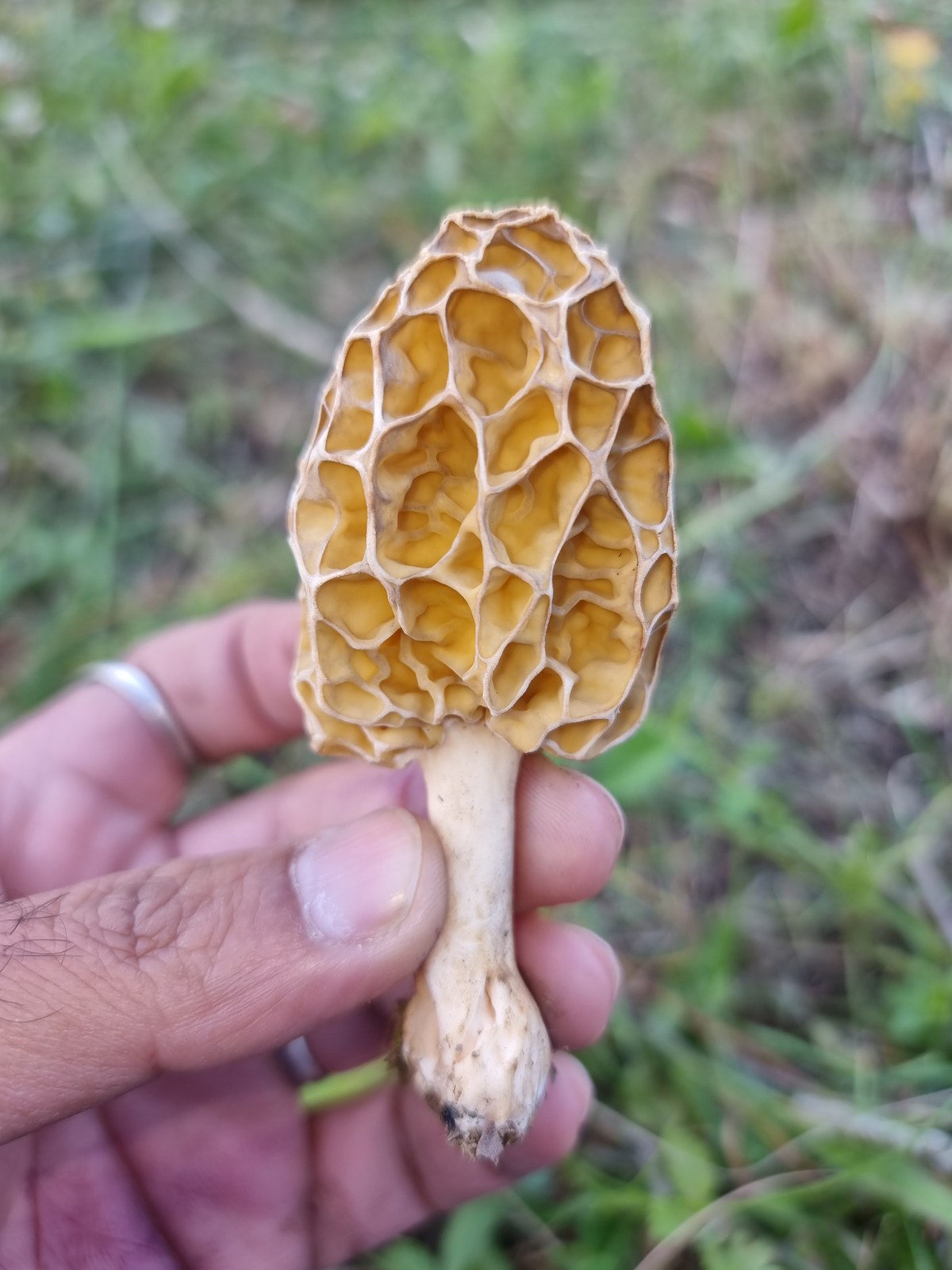
Wild morel
A morel found growing on the farm in mid-May 2023. Guchhi — prized across the Garhwal hills — fruit briefly at this altitude when the soil is still damp from snowmelt.
1 min read
field note
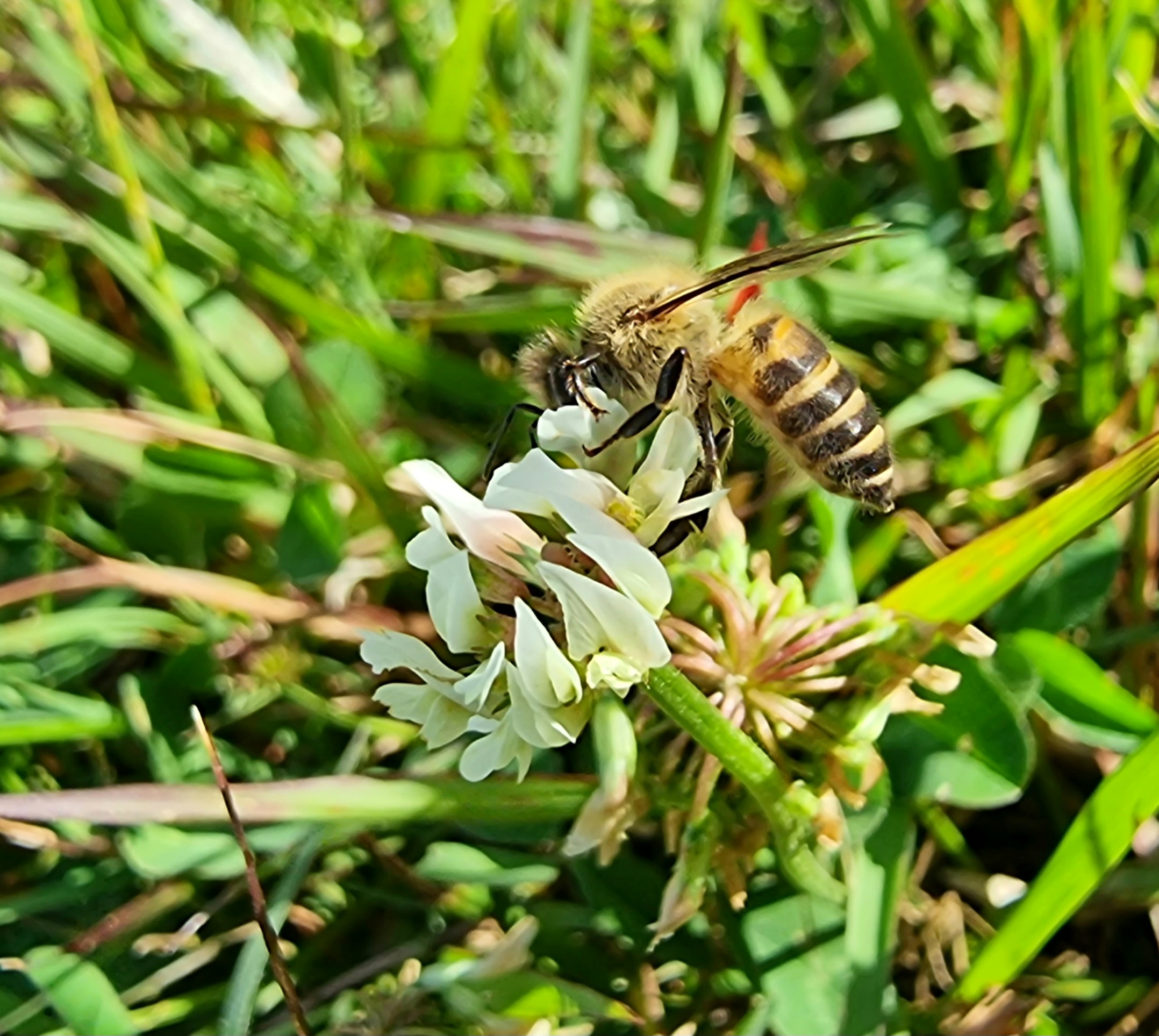
A honeybee on white clover
One frame, one bee, one flower. The reason the meadow at our hillside stays unmown — and why the walnut block has the pollinator population it does.
1 min read
field note
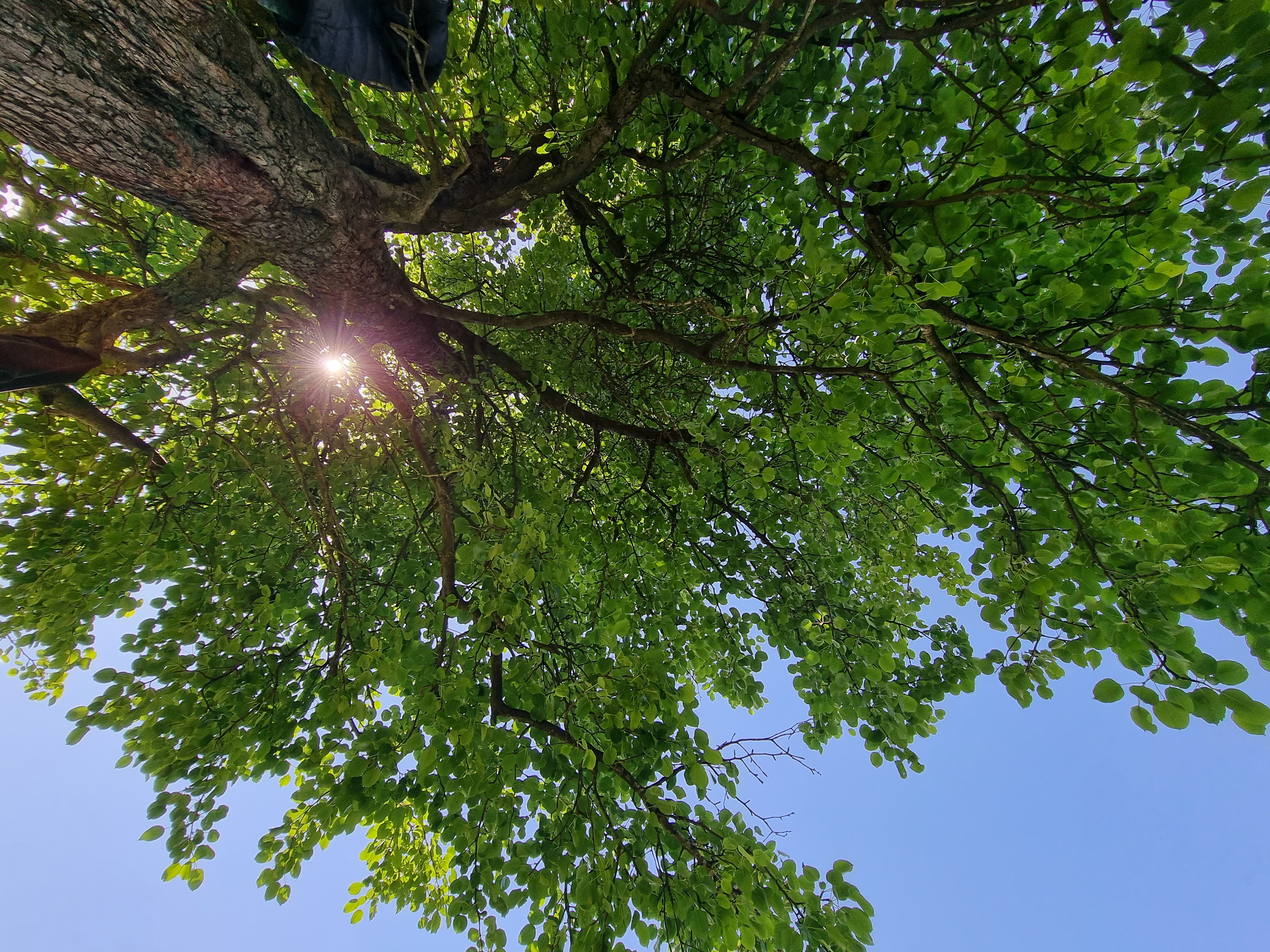
Looking up from under a deodar
Lying back under a deodar near the upper boundary at Chaptari. Five thousand feet up, the light comes through differently — softer, slower, and shifted toward the canopy.
1 min read
field note
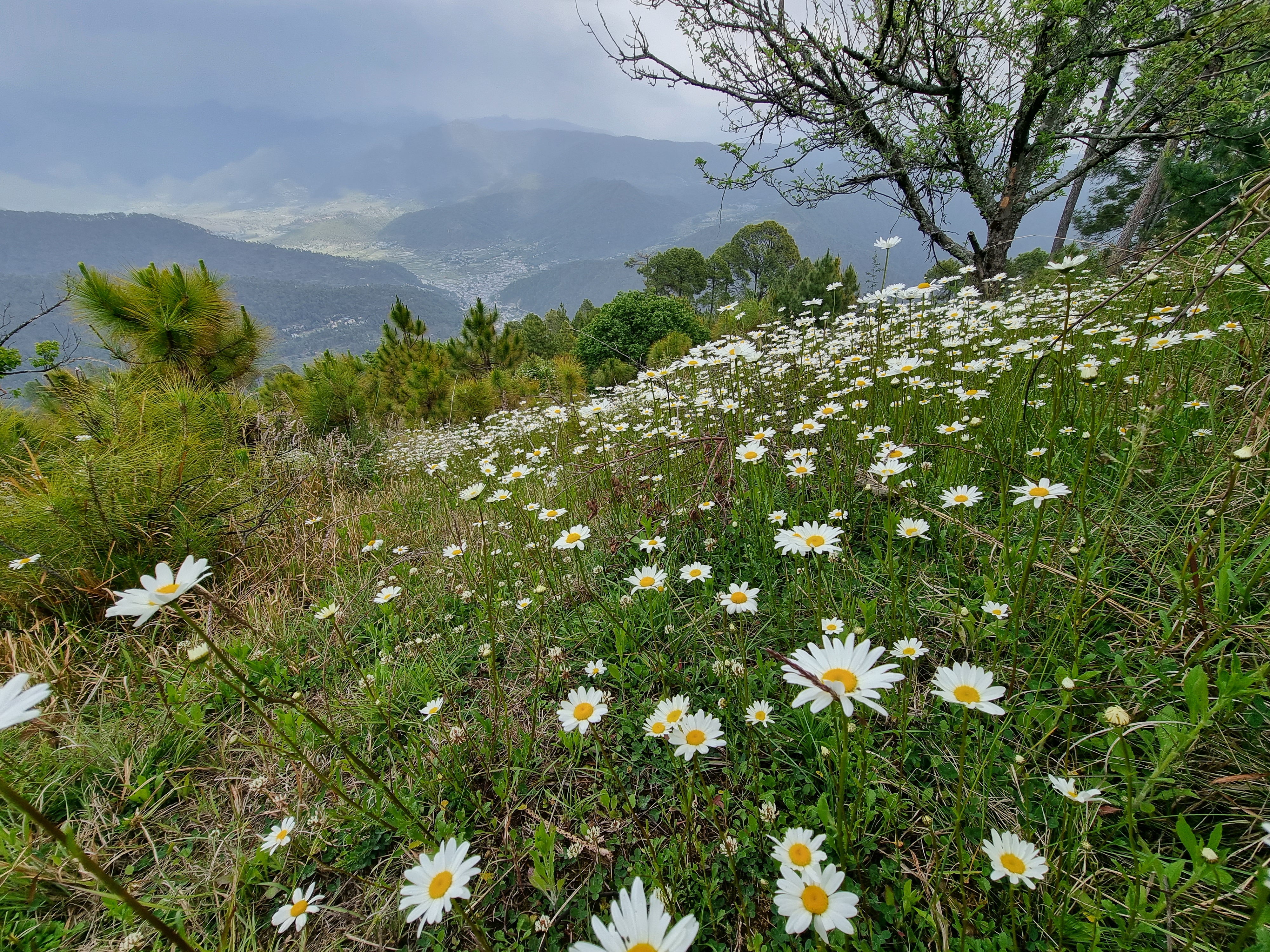
The daisy meadow
Eight days into our first planting season at Chaptari, the wildflower meadow on the lower terrace was already in full bloom — a sign of how much life had been waiting for someone to leave the ground alone.
1 min read